
:max_bytes(150000):strip_icc()/marginal-cost-of-production-4193224-FINAL-1c530f2a6d1846cdaf442aff7b8d66eb.png "marginal-cost-of-production-4193224-FINAL-1c530f2a6d1846cdaf442aff7b8d66eb")
:max_bytes(150000):strip_icc()/dotdash_INV_final_Are_Marginal_Costs_Fixed_or_Variable_Costs_Jan_2021-01-f835f4a7ad1c4a6a8f7959bd70275d2f.jpg)
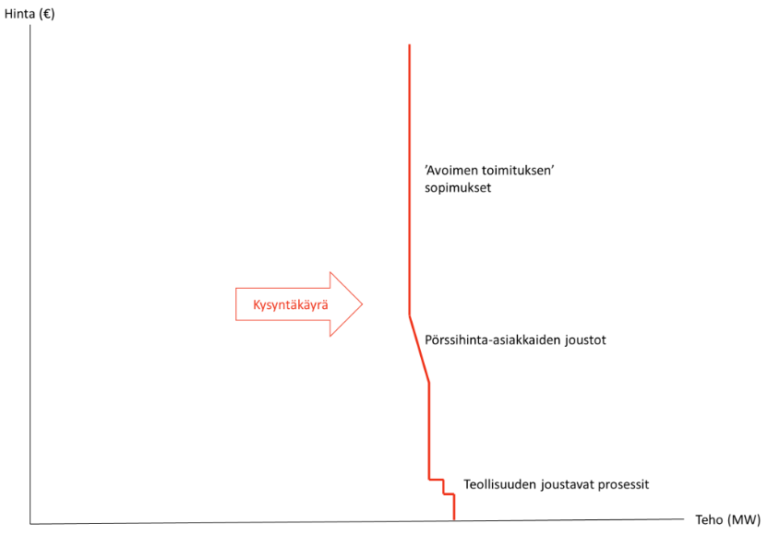

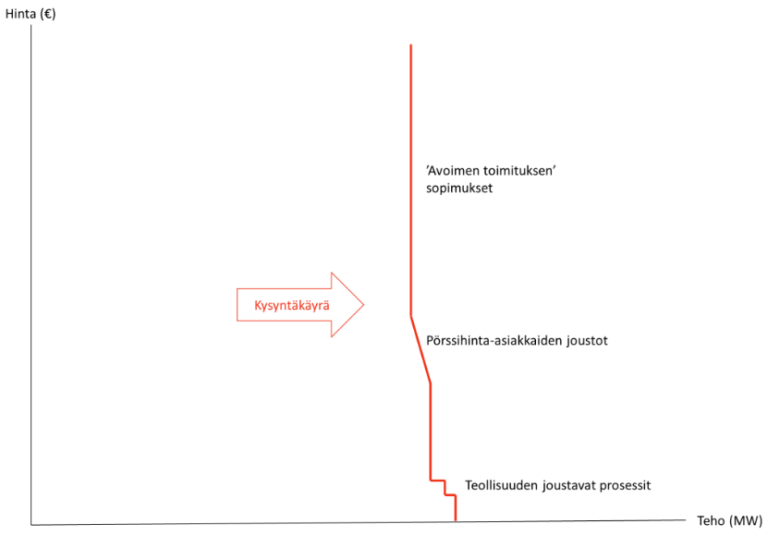
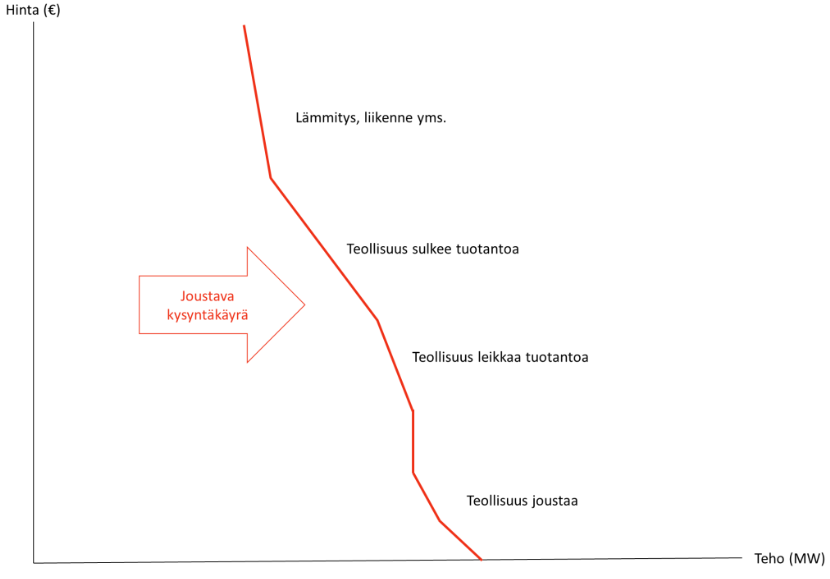
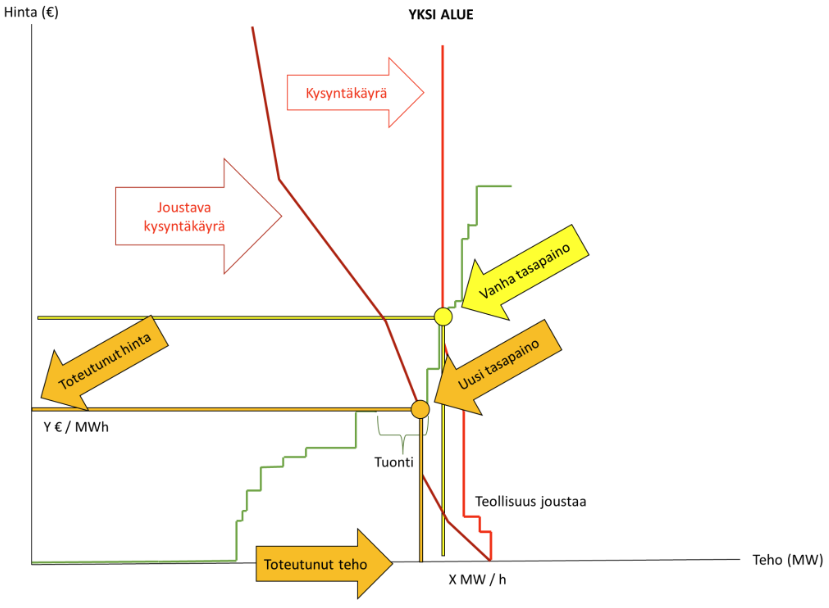


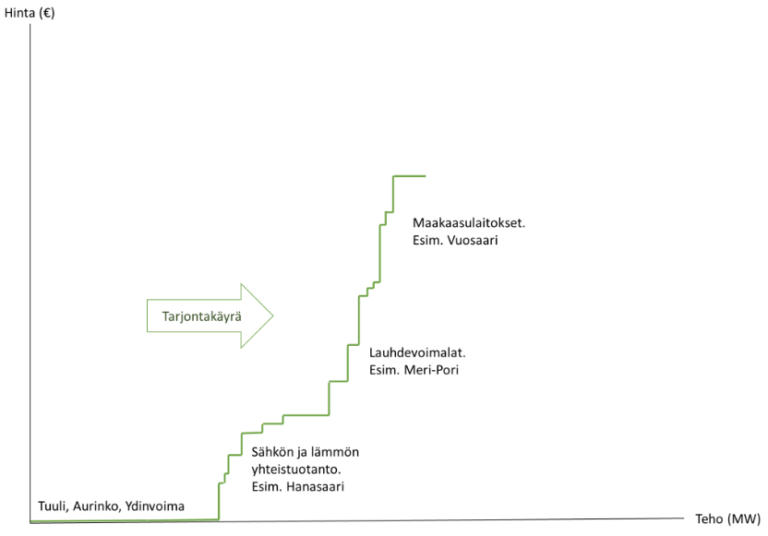
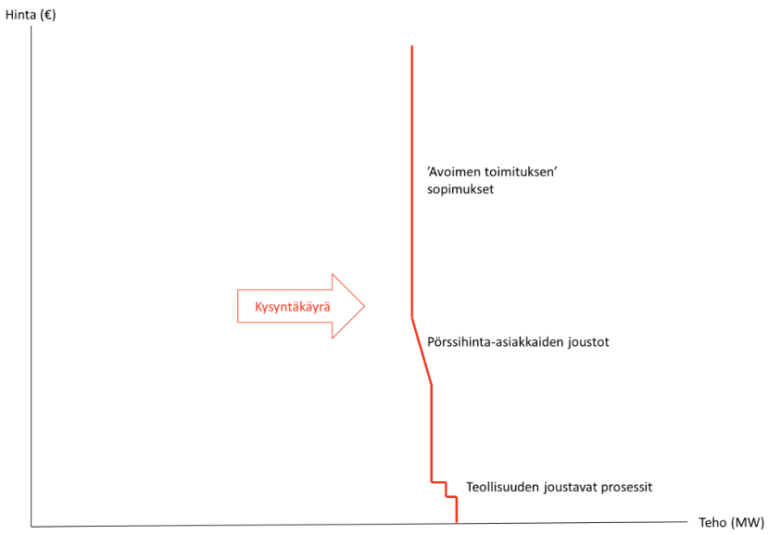
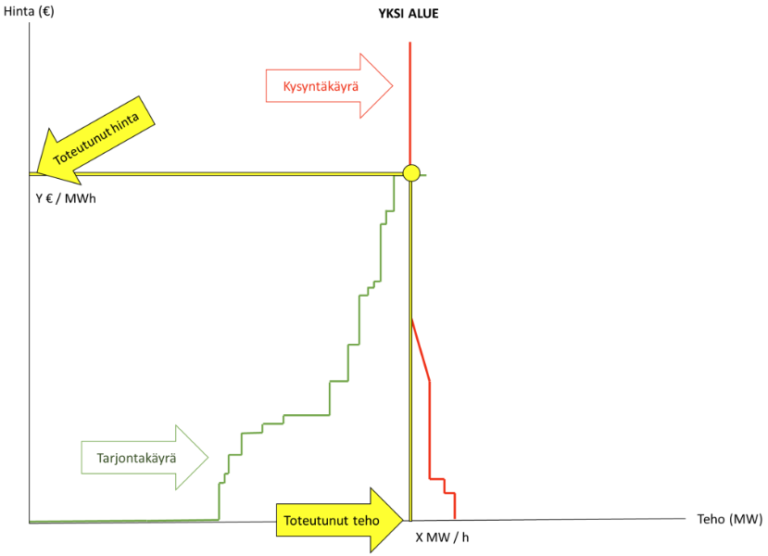
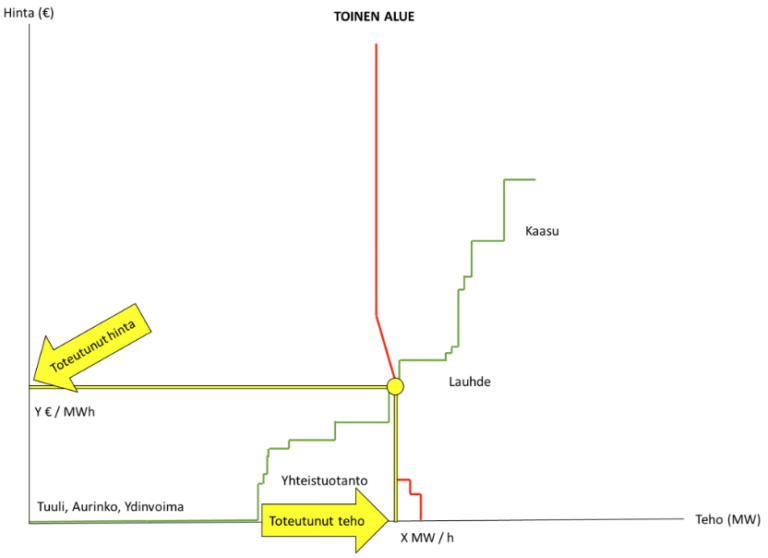
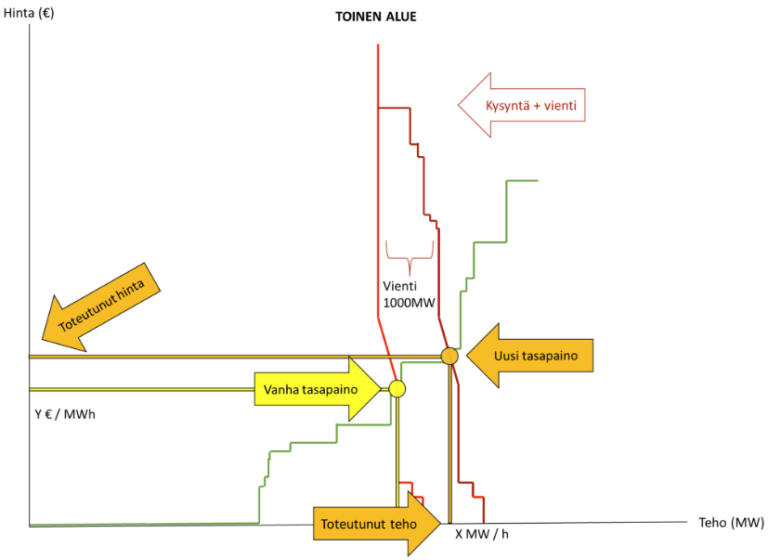
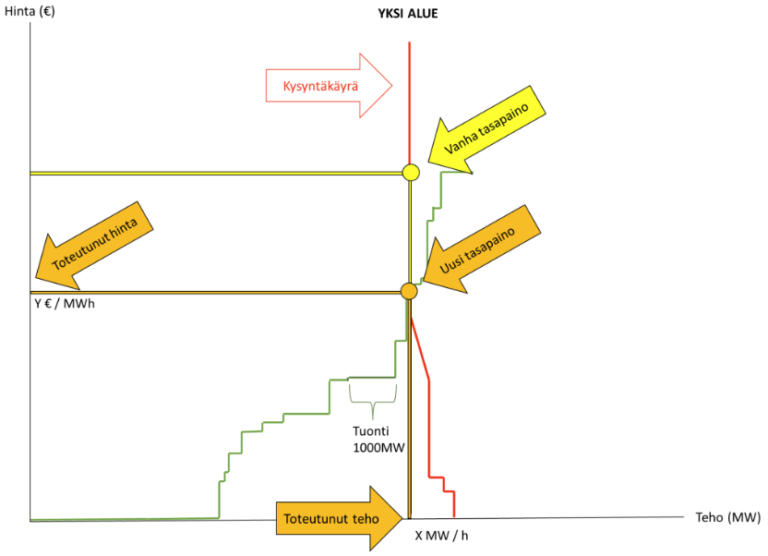
The article analyzes the causes of Finland's electricity crisis and suggests solutions. The article explains the formation of the price of electricity on the Nordpool exchange through margin pricing and highlights how fixed-price contracts reduce the flexibility of demand. This results in very high prices for market price payers, as a large part of the industry is not flexible in their consumption due to their old contracts.
The causes of the crisis are identified as the end of Russia's electricity imports, the increase in fuel prices and the rise in the price of emission rights. As a solution, it is proposed that the state would give all contracting parties the right to cancel old mortgage contracts, which would adapt the market to the current situation and lower the price of electricity.
What are the three main reasons for Finland's electricity crisis?
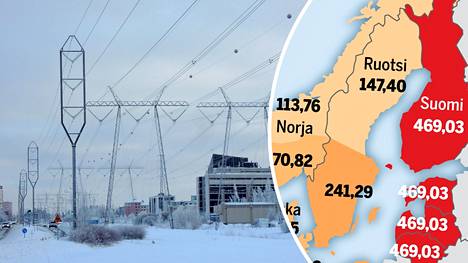
There are three main reasons for the high price of electricity: the cessation of Russian imports, the rise in fuel prices and the rise in the price of emission rights.
What is marginal pricing in the electricity market?
In marginal pricing, the most expensive bid needed to match supply and demand sets the price for all market participants for that hour.
What solution does the author propose to the electricity crisis?
The author suggests that the state declares a state of emergency and gives all contracting parties the right to terminate existing electricity mortgage contracts by a certain date.
Why would not canceling mortgages be more damaging to Finland than canceling them?
If mortgages are not released, production will be reduced in the order of whose mortgage contract expires first. This can lead to less profitable production eating up the operating conditions of more profitable production. On the other hand, removing the restrictions would lead to production being cut from where the added value it produces is the lowest in relation to the price of electricity.