Tien pielessä asuu mummo, joka on juuri kiinnittänyt sähkönsä kolmeksi vuodeksi 12 sentin / kWh määräaikaisella sopimuksella. Hinta on noin kolmin tai nelinkertainen edellisen viiden vuoden keskiarvoon verrattuna. Talossa on 6kW sähkölämmitin ja sisällä 16 astetta lämmintä. Mummolla on sama insentiivi säästää sähköä seuraavat vuodesta kolmeen vuotta oli sähkö sitten kallista tai halpaa.
Tien toisella puolella on kasvihuone, joka on muutama vuosi sitten kiinnittänyt suurimman osan sähkönhankinnastaan edullisesti monen vuoden ajaksi. Kurkuilla on 22 astetta lämmintä ja suurpainenatriumvalaisimet antavat huoneeseen 6MW teholla valosäteilyä. Sähköstä maksetaan 4 senttiä kilowattitunnilta. Yrityksen kurkkujen myynnistä saama kate on 500 euroa päivässä. Jos päivän pörssihinta on 40 senttiä kWh, ovat kiinnityksen myyjän tappiot kurkun käyttämästä valosta n. 51840€ päivässä. Tämä on klassinen esimerkki ’talouslaskennan ongelmasta’.
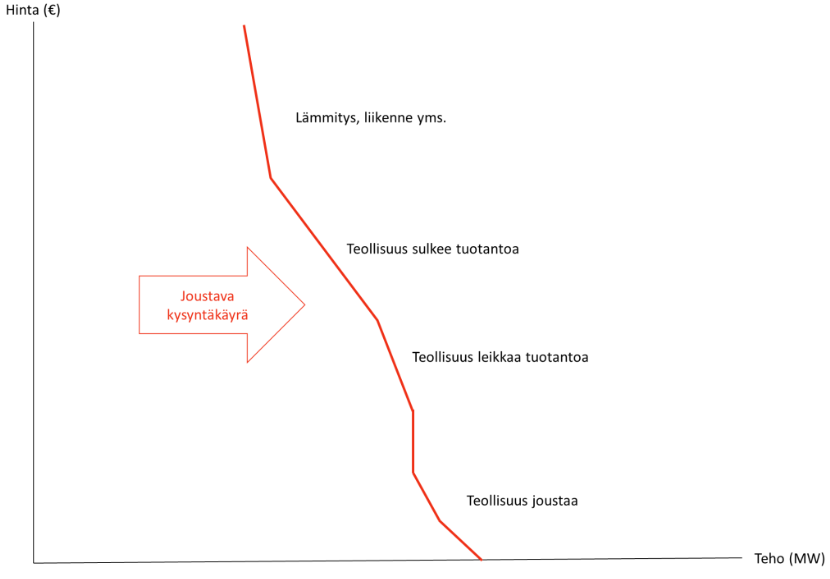
Jos sähkön kulutus joustaisi hinnan mukaan, veisimme ulkomaille 57600€:lla sähköä ja maahantoisimme kurkut. Kun hintasignaali on rikki, markkinat eivät ohjaa toimintaa oikein. Lopputuloksena ostamme ulkomailta sähköä suurella rahalla tuottaaksemme kurkkuja pienellä rahalla.
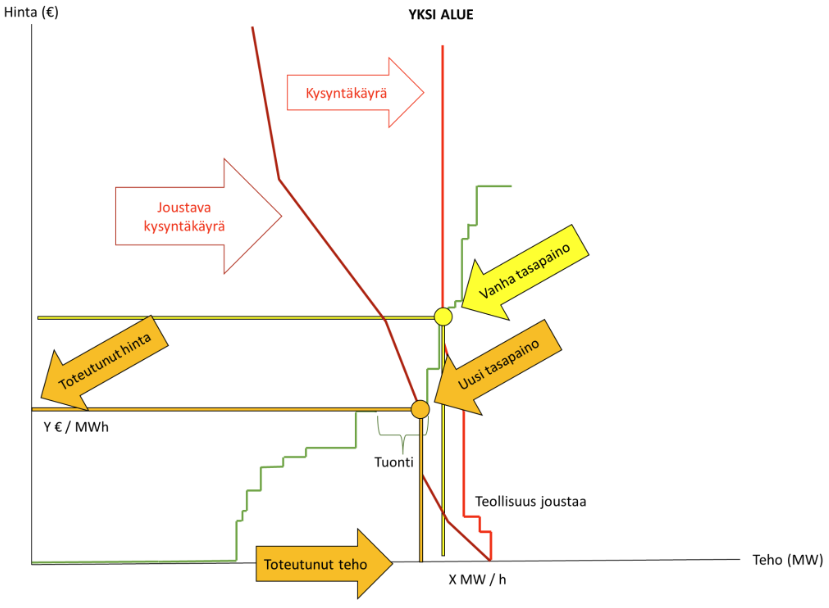
Puolet kasvihuoneista on täksi talveksi luopunut tuotannosta, mutta toinen puoli, eli arviolta 80MW valaistusta, jatkaa läpi talven vanhoilla edullisilla sopimuksilla. Vastaavasti samaan aikaan metsä-, metalli- ja kemianteollisuudessa tuotetaan muutamien kymmenien prosenttien katteella tuotteita, joista aiheutuu muualle kansantalouteen sähkön hinnannousun seurauksena valtavat vaihtoehtoiskustannuskorjatut tappiot.
Onnekkaasta ostokiinnityksestä koituneet säästöt ovat yhtälailla ansiottomia nk. ’windfall’- tuottoja, kuin pörssiriskin ottaneiden tuotantolaitosten myyntivoitot.
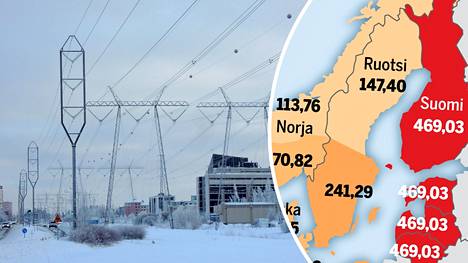
Ulkomaankauppamme perustuu suurelta osin energianintensiivisiin matalan jalostusasteen tuotteisiin kuten selluun, teräkseen, pahviin, paperiin ja puutavaraan. Tämä kaikki tuotetaan merkittävissä osin ulkomailta maahantuodulla sähköllä. Syntyy syvä lovi vaihtotaseeseen kun sähkö on erittäin kallista, mutta halpojen tuotteiden valmistus ei jousta.
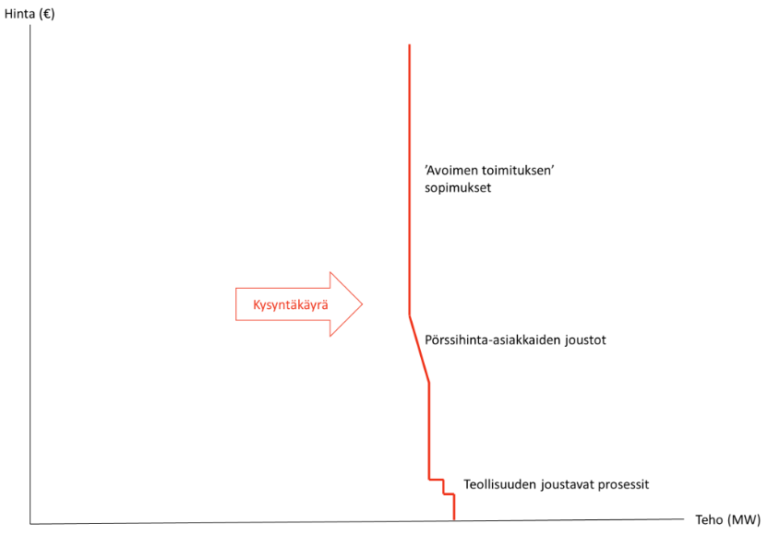
Erityisen kalliina päivänä sähkö uhkaa loppua kesken, mutta kummallakaan, ei mummolla, eikä kasvihuoneella, ole kannustimia käyttää sähköä yhtään sen vähempää kuin normaalinakaan päivänä. Vastaavasti jos ensi vuonna sähkö on erityisen halpaa se ei helpota mummon ahdinkoa lainkaan.

:max_bytes(150000):strip_icc()/marginal-cost-of-production-4193224-FINAL-1c530f2a6d1846cdaf442aff7b8d66eb.png "marginal-cost-of-production-4193224-FINAL-1c530f2a6d1846cdaf442aff7b8d66eb")
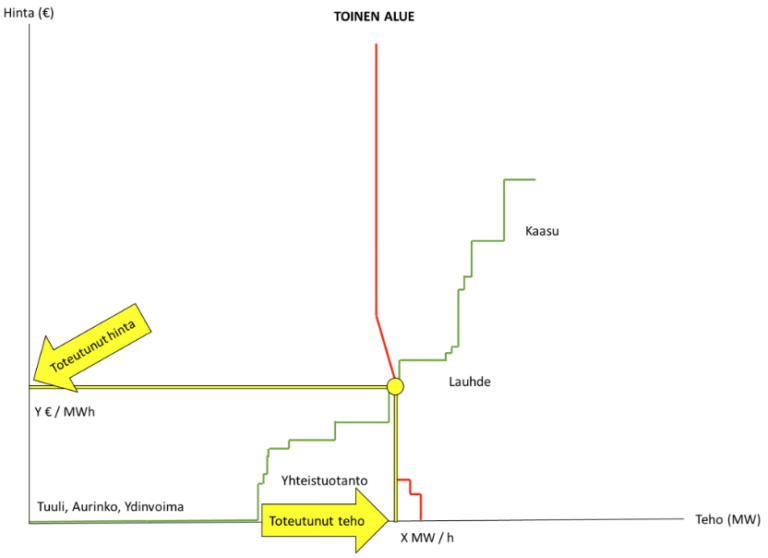
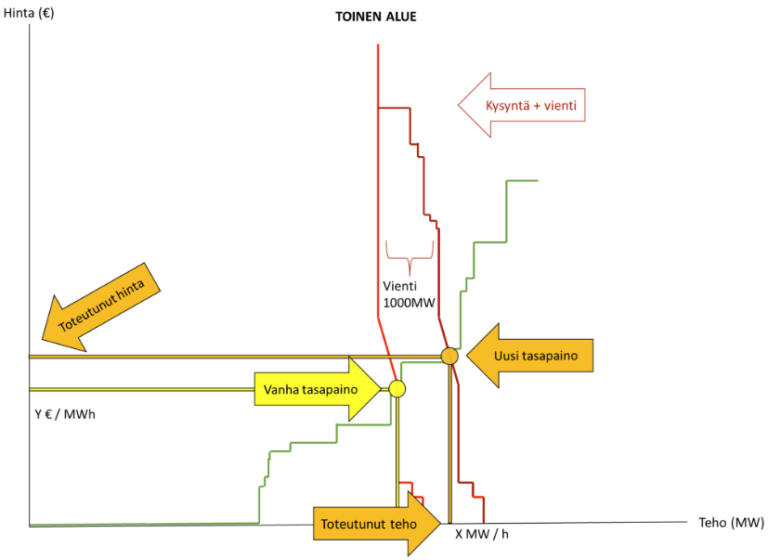
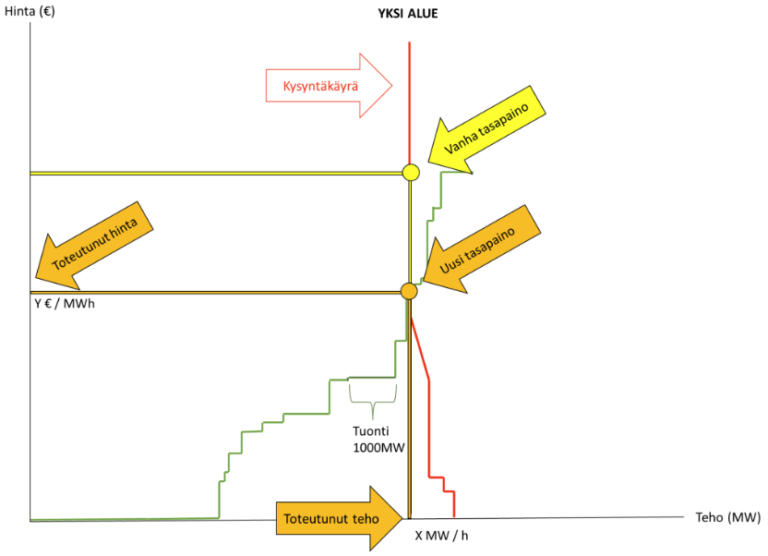
:max_bytes(150000):strip_icc()/dotdash_INV_final_Are_Marginal_Costs_Fixed_or_Variable_Costs_Jan_2021-01-f835f4a7ad1c4a6a8f7959bd70275d2f.jpg)